

Trauma Healing

"Trauma is not what happens to you, but what happens inside you as a result of what happens to you."
-Dr. Gabor Maté

Trauma is not only about what happened—it’s about how your system adapted in order to survive.
For some, trauma is connected to a specific experience such as an accident, loss, or medical event. For others, it develops over time through chronic stress, relational wounds, or early life experiences. These patterns often live beneath the surface, shaping how you respond, relate, and move through your life.
The responses you may notice—anxiety, disconnection, hypervigilance, emotional overwhelm—are not signs of something being wrong. They are intelligent adaptations of a nervous system that learned how to protect you.

My approach in working through trauma
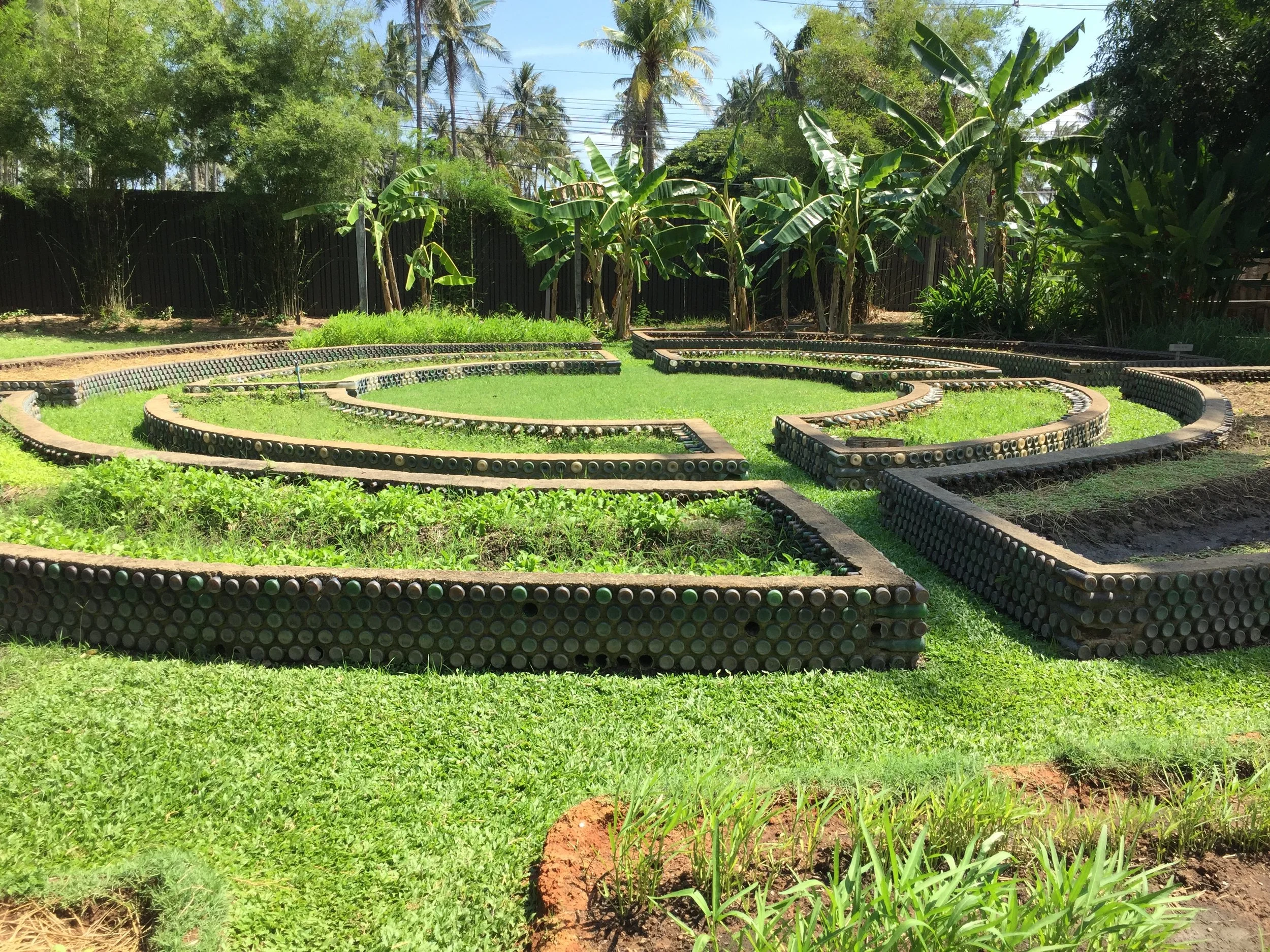
My intention in trauma work is to help you feel more anchored within yourself.
Together, we work toward increasing your capacity for regulation, building a sense of internal safety, and gently processing experiences that may feel unresolved. This process supports a shift from surviving to living with greater clarity, presence, and self-trust.
Rather than rushing into the past, we focus on creating a foundation in the present—one that allows healing to unfold in a way that feels steady and sustainable.
I draw from trauma-informed talk therapy and evidence-based modalities such as EMDR (Eye Movement Desensitization and Reprocessing), alongside mindfulness, body awareness, and nervous system-focused work. This allows us to address both the cognitive and physiological layers of trauma.
Our work is collaborative and responsive. At times, we may focus on developing tools for grounding and regulation. At other times, we may move into deeper processing once your system feels ready.
Trauma-Focused Modalities & Approaches I Use:
Trauma-Informed Talk Therapy – exploring thoughts, emotions, and patterns in a safe, paced environment
EMDR (Eye Movement Desensitization and Reprocessing) – evidence-based processing of traumatic memories
Polyvagal-Informed Techniques – understanding and working with the nervous system to restore safety and regulation
Somatic & Body-Based Approaches – breathwork, body awareness, and mindfulness to release tension stored in the body
Mindfulness and Grounding Practices – tools for staying present, reducing overwhelm, and managing triggers